
 Article
2 MIN READ
Article
2 MIN READ
Think You Can Spot a Scam? It Just Got Harder.


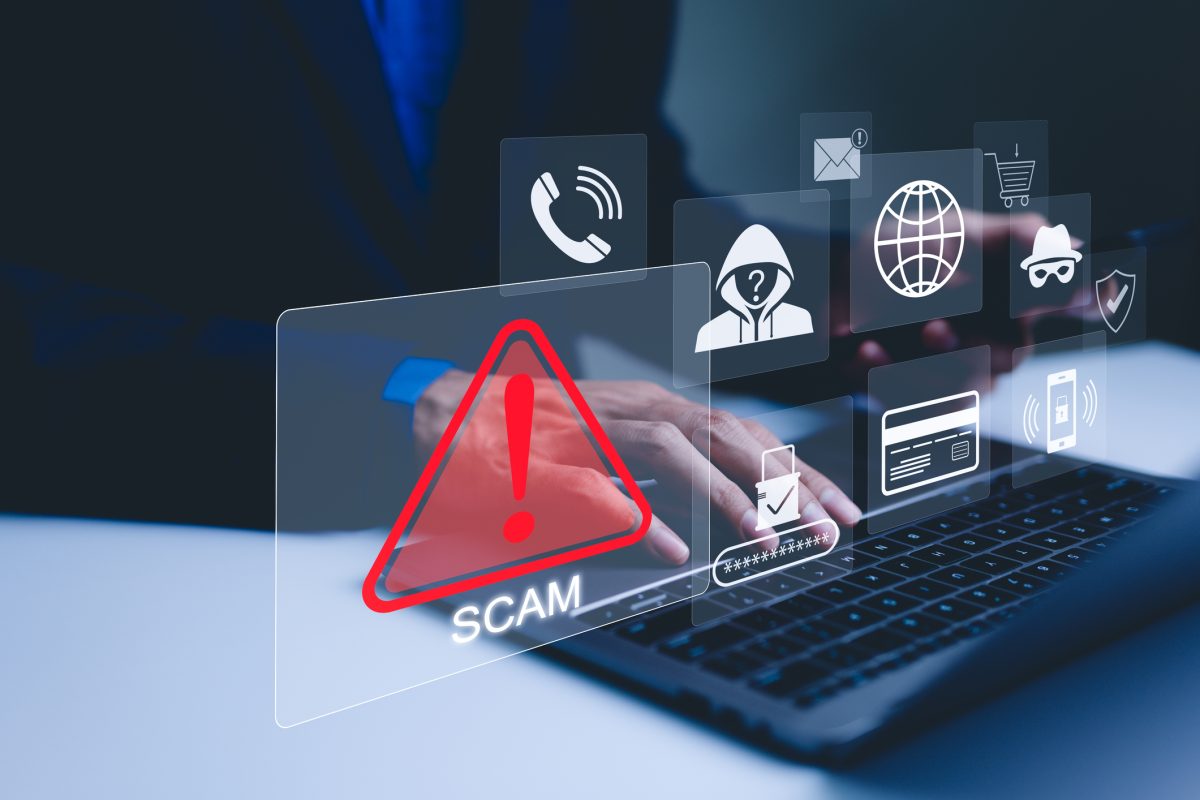
Who is Really Contacting You? Welcome to the New World of Phishing!
The phone rings.
You glance at the caller ID and freeze.
It’s your number.
The call is coming from inside the house…
…or is it?
Cue the scary movie music.
Before you start checking closets and peeking behind shower curtains, there’s a much less dramatic explanation: your phone number has probably been spoofed.
Spoofing is a common tactic used by scammers to make a call appear as though it’s coming from a trusted source, a local number, a friend, a bank, or even your own phone number. The goal is simple: get you to answer, trust them, and share your personal information.
And thanks to advances in artificial intelligence, today’s scammers are getting uncomfortably good at their jobs.
There was a time when phishing emails practically announced themselves with poor grammar, misspelled words, and suspicious requests from wealthy princes you’ve never met. Today, AI can create polished emails, convincing text messages, and even voice recordings that sound remarkably human.
In other words, the horror movie villain isn’t hiding in the basement anymore. It’s hiding behind an email, text message, or phone call designed to look completely legitimate.
That’s why spotting a scam has never been more important.
What Is Phishing?
Phishing is a type of fraud where criminals attempt to trick you into sharing personal information such as passwords, MFA codes, account numbers, Social Security numbers, PINs or other sensitive data.
They often create a sense of urgency, fear, or curiosity to get you to act before you think.
Common examples include:
- Shipping notifications for a package you didn’t order.
- Invoice requests for services you never purchased.
- Password expiration alerts.
- Requests that appear to come from banks, company executives, or government agencies.
- Phone calls claiming there’s a problem with your account or potential scam.
The goal is always the same: get you to click, download, reply, or reveal information.
Here are a few simple habits that can help keep you safe:
- Verify the sender. Check email addresses carefully. Scammers often create addresses that look almost legitimate but contain subtle differences.
- Be cautious with links and attachments. Don’t click links or open attachments unless you’re confident they’re from a trusted source.
- Pause before you respond. Scammers count on fear and urgency. Slow down and verify unexpected requests through a trusted phone number or website.
- Report suspicious messages. If something feels off, trust your instincts and report it.
Think you can spot a scam? Take the American Bankers Association’s “Spot the Scam” quiz!
Let Your Voice Do the Talking
One of the best ways to help protect your account is by enrolling in Voice ID.
Voice ID is an authentication technology that creates a unique voiceprint when you call Customer Care. When you speak with us, it will match your voice to your verified voiceprint to quickly identify you. A voiceprint includes more than one million unique physical and behavioral characteristics of a person. Think of it as a personalized security key that travels with you wherever you go.
Not only does Voice ID help make banking more secure, but it can also make identity verification faster and more convenient.
We’re happy to enroll you in Voice ID the next time you call us at 800-339-6573.
Sign up to hear more from us!